atr✳ALL TIME
RESORT

Display settings

STR / Bulgaria · 12 days at the destination

Breathe out.
Dive into summer.

Sea, friends, sport and creativity. And time in the shade.

Find your summer ↗

Ages 9–17 · 12 days /11 nights · departure city to be agreed

STR — Summertime ResortSee the full programme ↓01 — 12

01 / STR

Not every minute needs a task.

Choose volleyball, a workshop or quiet time with friends.

Shared meals and evening gatherings provide rhythm, with freedom within it.

First, you ask: “Can I join you?”

02 / All Time Resort

First, you ask: “Can I join you?”

Imagine day one: suitcase, new room, butterflies. Start with simple introductions.

Soon there is someone to invite to the sea. Create chances to connect.

ATR / COAST LAB

A summer with something to bring home.

12 days by the sea: a holiday, new connections and one small group project. Explore the coast, try useful skills and build a story to share at home.

“Will it be another day on the phone?”

Screens have a task and a time limit: capture a story, check a fact or edit a clip. Sport, workshops and quiet time offer alternatives.

“My child is coming alone and dislikes performing.”

Start with small-group introductions and age-based teams. Projects need researchers, makers, organisers and storytellers; participation need not involve a stage. The first days leave space to settle in.

“I want to know what I am paying for.”

See the learning structure, real tasks and accommodation differences. Before payment, the offer needs a hotel, sleeping-room occupancy, menu, route, team and written terms; attractive photographs are not enough.

STR / TWO WAYS TO STAY

One strong programme. Two accommodation levels.

Education, staff, water supervision and care do not become optional extras. The difference lies in a confirmed accommodation category and everyday comfort.

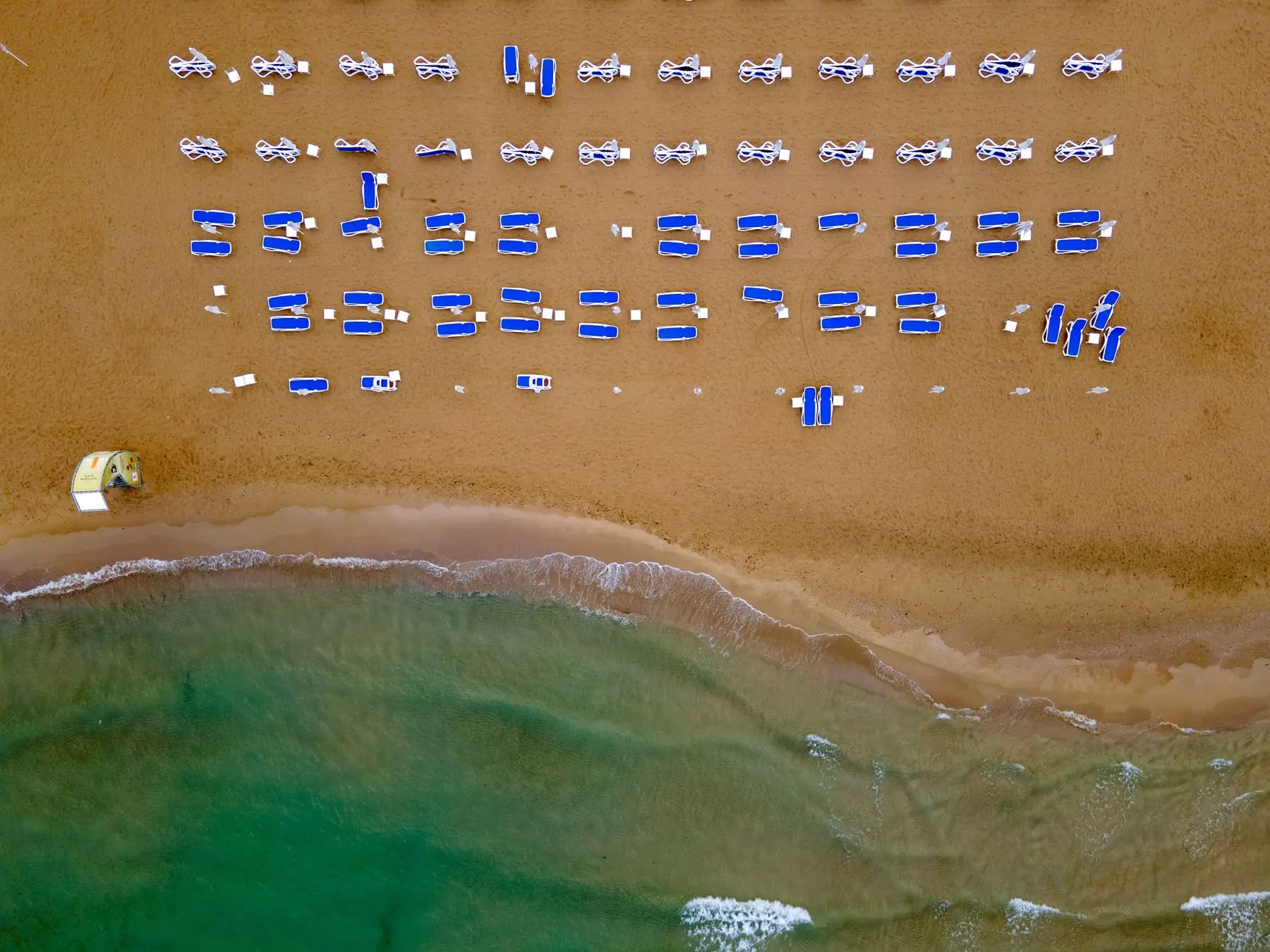
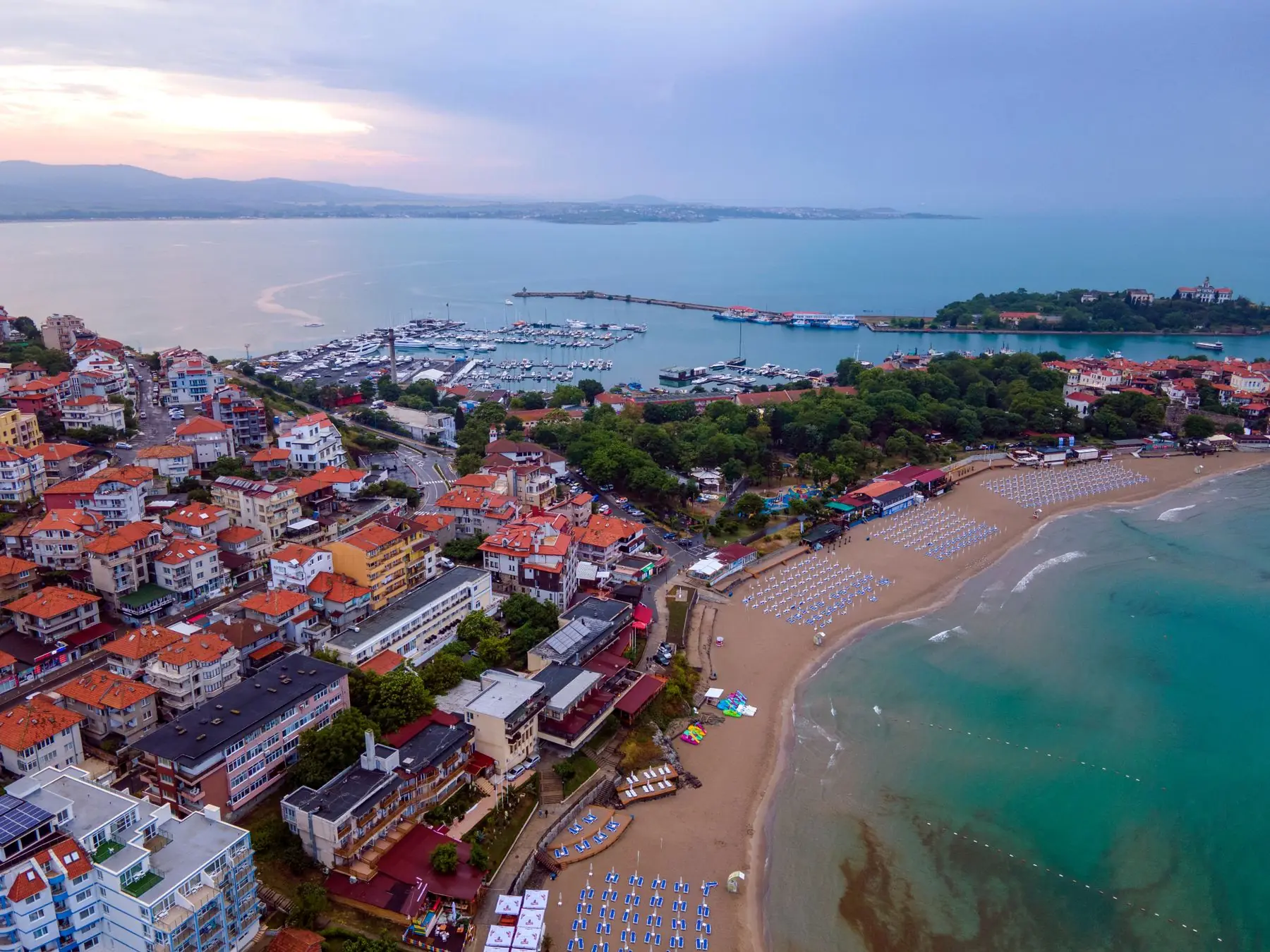
Illustrative coastal landscape

A substantive camp in a group setting.

STR Club

Mandarin, Aheloy—an example camp base.

  • The full 12-hour lab and practical English.
  • Two outings in the final agreed programme.
  • Group rooms with occupancy specified in writing.
  • Shared space for workshops, sport and evenings.
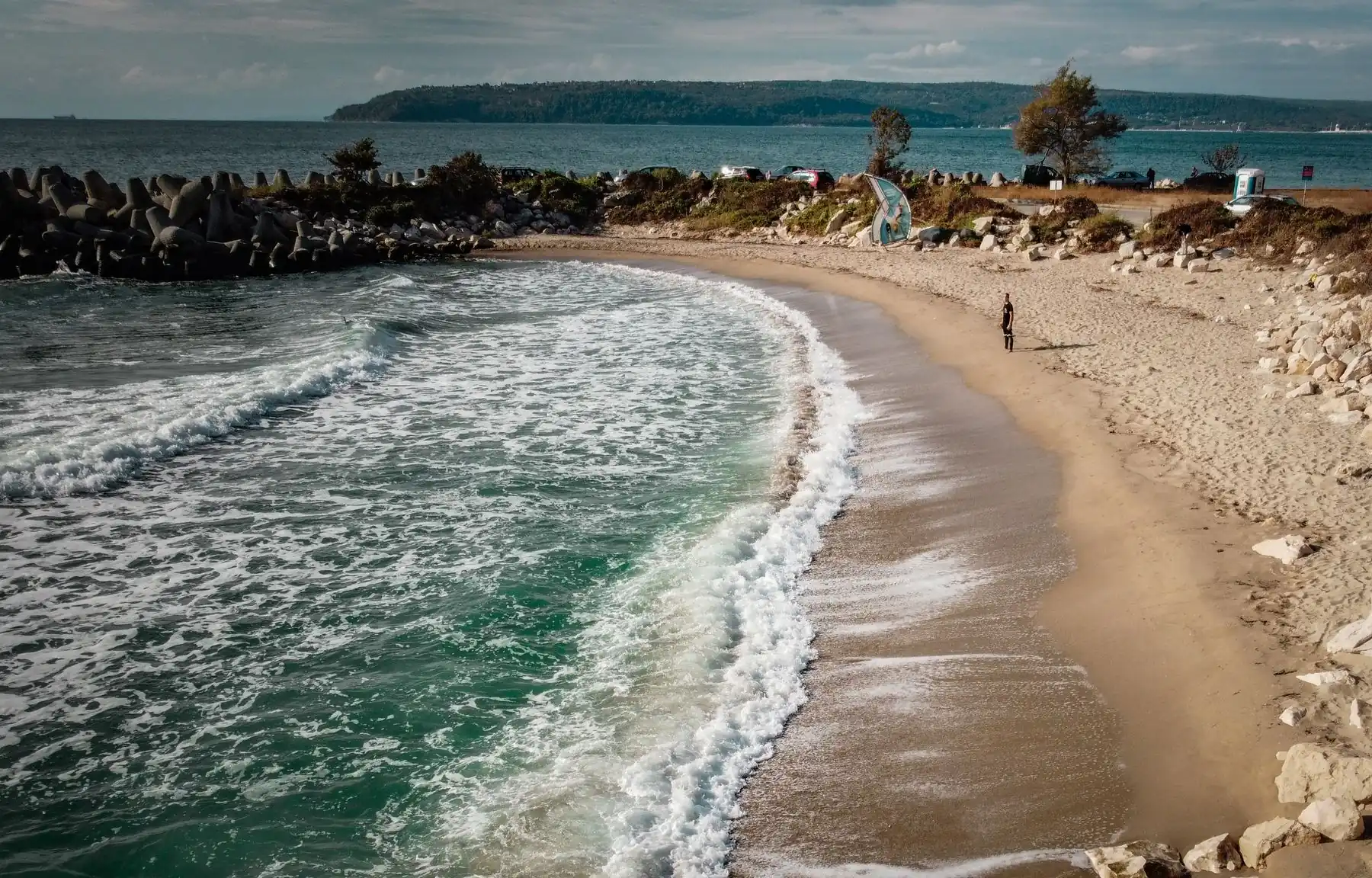
Illustrative coastal landscape

The same camp with upgraded accommodation.

STR Residence

Long Beach Resort, Shkorpilovtsi—an example upgraded base.

  • The same lab, outings and standard of care.
  • An upgraded room category identified in the contract.
  • Agreed sleeping-room occupancy and additional everyday space.
  • Specifically confirmed lounge access and meal arrangements.

Hotels are examples, not selected or booked. An option opens only with a confirmed room block, programme space and written service differences; 2027 availability is not claimed.

STR / STR Club

Mandarin, Aheloy

A substantive camp in a group setting.

Official property example website ↗

04 / Choose your rhythm

One session. Three ways to spend the day.

Three tracks within one programme. Switch day by day; no price packages.

01

Move

Play without sporting selection.

Volleyball, games, supervised swimming.
Effort matched to age.

02

Make

Make something and share it.

Photos, film, music, performance.
Age-appropriate independence.

03

Your pace

Connect without the rush.

Games, drawing, reading, walks.
Quiet time with supervision.

ATR / COAST LAB · 12 H

The ATR coastal lab

Six two-hour modules provide 12 structured learning hours, split into shorter sessions. Add 20 minutes of practical English through games and conversation on days 2–10. Sea time, rest and quiet time remain.

01 / 2 hours

A voice in the team

In a small team, choose a shared goal, divide roles and negotiate different decisions. Role-play a disagreement and practise asking for help without rewarding the loudest voice.

↗ A role map, team agreements and a personal session goal.

Ages 9–11: visual cards; ages 12–17: supported independent decisions.

02 / 2 hours

Coastal investigators

Observe the shore, shade and how people use a permitted area, without collecting living specimens. Separate observations from assumptions, map three findings and formulate a question to investigate.

↗ An observation map with three checked details and their sources.

Juniors draw and count; older groups compare explanations and sources.

03 / 2 hours

Media without manipulation

Choose one coastal story, check its claims against sources and prepare a storyboard. Film with consent, select images and notice how editing can change the impression a viewer receives.

↗ A short group film or paper storyboard with credited sources.

Filming is optional; writing and illustration are equally useful roles.

04 / 2 hours

Money and choices

Use a fictional budget for a group event and compare several offers. Allow for essentials, contingency and trade-offs, then explain the decision; no real trading or earnings promises.

↗ A simple budget, priorities and an explanation of one trade-off.

Juniors use tokens; older groups use a table and contingency.

05 / 2 hours

Design something useful

Choose a small camp-day problem: clearer directions, a water-point sign or accessible game rules. Build a paper prototype, ask another group to try it and improve what confuses them.

↗ A prototype and a note explaining changes after testing.

Tasks scale with age; no construction or dangerous tools.

06 / 2 hours

Tell your story

Bring observations, prototype and media work into one short story. Choose what matters, rehearse a two-minute presentation and give kind feedback; record each contribution without requiring everyone to perform.

↗ A small team portfolio and an individual “My contribution” page.

Juniors may show a drawing; older campers explain choices and answer questions.

ATR / BEYOND THE RESORT

Bulgaria beyond the sun lounger

Plan two organised outings: culture and nature. Choose one geographic pair for the base, rather than crossing the entire coast. A further practical activity stays close to camp.

01

A city as a story

For a northern base, consider Varna’s museum and a city walk; for Aheloy, Old Nessebar. Look for three details of everyday life rather than racing through every landmark.

One cultural outing; route, tickets, supervision and budget confirmed in the offer.

02

Where land meets water

A northern option uses permitted routes near Kamchia; a southern option explores Pomorie’s salt lake and museum. Observe without collecting plants, disturbing nests or requiring a boat trip.

One nature outing; access, heat and weather may change the route.

03

Everyday life somewhere new

Practise asking politely, reading a menu, comparing information and respecting local rules. Rehearse situations at camp first; participation requires neither purchases nor independent travel.

At camp or on an agreed walk, not a third paid excursion.

ATR / Excursions

A day out, with a reason to go.

Proposed experiences, matched to the selected base. The final route, dates, transport, tickets, staffing and accessibility will be agreed before any booking opens.

Proposed route / 01

Illustrative landscape · not a confirmed excursion location

Old Nessebar

A guided cultural walk with small observation tasks: notice the streets, sketch a detail, and tell the group one new story.

Pace & purpose

Plan for short walking stages, shade and water breaks, with an age-appropriate route and time to regroup.

Planning outline, not a confirmed excursion. No boat ride or water activity is implied.

Proposed route / 02

Illustrative landscape · not a confirmed excursion location

Pomorie salt-lake learning visit

Explore how a coastal landscape and salt-making connect to everyday life. A simple field notebook gives children something to bring back and explain.

Pace & purpose

A land-based educational visit. Venue access, walking surfaces and any museum admission must be checked for the selected date.

Planning outline, not a confirmed excursion. No boat ride or water activity is implied.

What parents will receive

  • An itinerary with departure/return windows and transport details.
  • The named responsible adult, contact route and supervision arrangements.
  • Walking demands, access needs, clothing and what to carry.
  • Included costs, optional extras and a clear weather/cancellation alternative.

If plans change

If weather, access or the group’s needs change, the planned alternative must be explained to parents. Exact replacements and any price differences belong in the written offer.

Plan an enquiry ↗

05 / 12 days · 11 nights

A first hello. A summer of their own.

Six two-hour labs, nine 20-minute English exchanges and two supervised outings, with sea, sport and proper rest between them. Activities adapt to age, weather and the agreed base.

12

days
SUMMERTIME

STR / Day 01 — 12

A first hello, without a microphone.

The suitcase is still by the bed and the faces are unfamiliar. Start with a short walk and a small-group game, without a stage. There is room to watch first, ask practical questions, find a leader and choose a comfortable first step.

Why it matters. Introductions have a clear structure without requiring a quieter child to perform for everyone.

↗ A pocket camp map with the meeting point and the group’s chosen symbol.

Morning to evening+

Morning

After arrival, check the group list and luggage, meet the leaders and locate the dining room, bedrooms and meeting point. Younger campers get extra settling-in time.

Afternoon

Unpack, have lunch and rest after the journey. Small groups then explore the grounds, agreeing movement boundaries, drinking-water points and beach rules; swimming is optional today.

Evening

Meet through simple games without performing in front of the whole camp. Each age group chooses a symbol, discusses evening routines and ends with a quiet bedtime check-in.

STR / Day 02 — 12

Whose turn? Yours too.

One group wants a story, another wants a game, and someone is still deciding. Across two one-hour sessions, share roles and practise proposing, listening and agreeing. The evening’s short English exchange follows the same theme, using beginner cards and a partner to try a phrase with.

Why it matters. The activity makes cooperation observable through specific decisions and several ways to contribute.

↗ A role card, team agreements and one personal goal for the session.

Morning to evening+

Morning

First 60-minute lab: In a small team, choose a shared goal, divide roles and negotiate different decisions. Role-play a disagreement and practise asking for help without rewarding the loudest voice.

Afternoon

Second 60-minute lab: A role map, team agreements and a personal session goal. Ages 9–11: visual cards; ages 12–17: supported independent decisions.

Evening

Play a team game built around everyone’s interests. After dinner, choose tomorrow’s activities, make time for calls home and discuss what would help each camper feel more comfortable. Twenty minutes of supported English uses the day’s task: ask, describe, listen and help a partner. Beginners can use cards and illustrations.

STR / Day 03 — 12

The shore leaves clues too.

Why do people choose shade here and gather by the water there? Take one real question to a permitted area and look for things to observe or count. Across two learning blocks, map observations, assumptions and a source that could help test an explanation.

Why it matters. The task practises distinguishing direct observation from an appealing but untested explanation.

↗ A coastal map with three observations, a question and identified sources.

Morning to evening+

Morning

First 60-minute lab: Observe the shore, shade and how people use a permitted area, without collecting living specimens. Separate observations from assumptions, map three findings and formulate a question to investigate.

Afternoon

Second 60-minute lab: An observation map with three checked details and their sources. Juniors draw and count; older groups compare explanations and sources.

Evening

Groups choose a few songs and create a movement or story around them. Performing is optional: contribute sound, artwork or organisation, then finish with a quieter game. Twenty minutes of supported English uses the day’s task: ask, describe, listen and help a partner. Beginners can use cards and illustrations.

STR / Day 04 — 12

A frame that tells it honestly.

The same pictures can tell two very different stories. Try it with the group’s material, check claims and ask permission before filming. Two one-hour sessions shape a short group story or paper storyboard, with writing and illustration valued just as much as camera work.

Why it matters. Screen time serves a bounded creative task with consent and fact-checking rules.

↗ A short story or storyboard with credits, sources and a record of personal contribution.

Morning to evening+

Morning

First 60-minute lab: Choose one coastal story, check its claims against sources and prepare a storyboard. Film with consent, select images and notice how editing can change the impression a viewer receives.

Afternoon

Second 60-minute lab: A short group film or paper storyboard with credited sources. Filming is optional; writing and illustration are equally useful roles.

Evening

Hold a small exhibition, sharing work only with its makers’ agreement. Practise specific, kind feedback—what you noticed and remembered—then finish with a conversation in age-based groups. Twenty minutes of supported English uses the day’s task: ask, describe, listen and help a partner. Beginners can use cards and illustrations.

STR / Day 05 — 12

A city begins with one detail.

Rather than collecting landmarks, look for one detail that explains everyday city life. An Aheloy base might visit Old Nessebar; a northern base might visit Varna. After the agreed cultural outing, return for lunch and rest, bringing three observed details into the group’s story.

Why it matters. The cultural outing has a purpose and a manageable pace, with protected time to rest afterwards.

↗ A cultural postcard: drawing or photo, three details and a checked caption.

Morning to evening+

Morning

A supervised cultural visit replaces the ordinary morning block: Old Nessebar from an Aheloy base, or Varna museum and city context from a northern base. Collect three details for the team project.

Afternoon

Return for lunch and protected rest. Compare notes, check one claim against a reliable source, and choose a sketch, map or caption for the portfolio; no rush to another attraction.

Evening

After an active day, choose an age-appropriate film or a parallel board game. Discussion is brief and optional, leaving time for showers, calls home and an unhurried bedtime. Twenty minutes of supported English uses the day’s task: ask, describe, listen and help a partner. Beginners can use cards and illustrations.

STR / Day 06 — 12

Today can be a little slower.

After several full days, leave room instead of adding another race. An easy morning, a suitable walk, reading and a message home set the pace. At a short check-in, speak or leave a note about what feels good, too much or worth trying next.

Why it matters. Rest and feedback belong in the programme, so children have a clear way to communicate tiredness.

↗ A postcard home or a personal “What I would like to try next” card.

Morning to evening+

Morning

Slow down with an easy breakfast and a walk on the agreed route. Notice what has changed since arrival; substitute a quiet indoor activity when needed.

Afternoon

After lunch, allow longer quiet time for reading, drawing, a postcard home or rest. Use the contact window to call family; leaders support campers missing home.

Evening

In small groups, discuss what feels good, what feels too much and what to try next. Answer aloud or by note; use feedback to shape the remaining days. Twenty minutes of supported English uses the day’s task: ask, describe, listen and help a partner. Beginners can use cards and illustrations.

STR / Day 07 — 12

We cannot have everything. What matters?

The group has a fictional budget for a small event, with decoration, music and materials all competing for it. Across two one-hour sessions, compare offers, allow a contingency and explain a choice. Juniors use tokens, older campers a table; no real spending is required.

Why it matters. The exercise makes priorities and trade-offs tangible through an everyday scenario using fictional money.

↗ A group budget with contingency and a note explaining one deliberate trade-off.

Morning to evening+

Morning

First 60-minute lab: Use a fictional budget for a group event and compare several offers. Allow for essentials, contingency and trade-offs, then explain the decision; no real trading or earnings promises.

Afternoon

Second 60-minute lab: A simple budget, priorities and an explanation of one trade-off. Juniors use tokens; older groups use a table and contingency.

Evening

Build an improvisation evening from short scenes, sound stories and group tasks. Offer backstage roles and a quieter alternative, with no forced appearances or jokes targeting campers. Twenty minutes of supported English uses the day’s task: ask, describe, listen and help a partner. Beginners can use cards and illustrations.

STR / Day 08 — 12

What if we made it easier?

A water-point sign is unclear, game rules are confusing or the group needs a simple prompt. Choose one small problem and make a paper prototype. Another group tries it; across two learning blocks, hear their questions, change a detail and compare intention with use.

Why it matters. The task gives children a practical way to test an idea with someone else and respond to feedback.

↗ A prototype with two images or sketches: before testing and after changes.

Morning to evening+

Morning

First 60-minute lab: Choose a small camp-day problem: clearer directions, a water-point sign or accessible game rules. Build a paper prototype, ask another group to try it and improve what confuses them.

Afternoon

Second 60-minute lab: A prototype and a note explaining changes after testing. Tasks scale with age; no construction or dangerous tools.

Evening

After dinner, open space for board games and conversation without a main stage. Share early ideas only if wanted; groups agree one realistic next step for tomorrow. Twenty minutes of supported English uses the day’s task: ask, describe, listen and help a partner. Beginners can use cards and illustrations.

STR / Day 09 — 12

This is our story. This part is mine.

The map, a filmed clip and a prototype are ready to organise into one clear story. Across two one-hour sessions, choose the essentials, try a short presentation and record individual contributions. Explain a choice, show a drawing or help behind the scenes; perfection is unnecessary.

Why it matters. An individual contribution page helps make quieter work visible alongside the group’s shared result.

↗ The team’s small portfolio and a “My contribution” page explaining a personal choice.

Morning to evening+

Morning

First 60-minute lab: Bring observations, prototype and media work into one short story. Choose what matters, rehearse a two-minute presentation and give kind feedback; record each contribution without requiring everyone to perform.

Afternoon

Second 60-minute lab: A small team portfolio and an individual “My contribution” page. Juniors may show a drawing; older campers explain choices and answer questions.

Evening

Rehearse if useful, while the sports group runs a friendly tournament with rotating teams. Perfection is unnecessary; finish on time to protect the evening’s rest and routine. Twenty minutes of supported English uses the day’s task: ask, describe, listen and help a partner. Beginners can use cards and illustrations.

STR / Day 10 — 12

Where the sea meets another world.

The second outing explores nature: a permitted route near Kamchia for a northern base, or Pomorie’s salt-lake context in the south. Leave living things undisturbed, record observations and check explanations afterwards. Access, heat and weather shape the route, followed by lunch and rest.

Why it matters. The outing specifies observation and access rules rather than implying unconfirmed boat trips or water activities.

↗ A field-note page with three observations and an addition to the group’s coastal map.

Morning to evening+

Morning

A supervised nature outing follows the permitted route agreed for the base: Pomorie salt-lake context in the south, or Kamchia surroundings in the north. Record observations without collecting organisms.

Afternoon

Cool down, eat and rest. Turn field notes into the group map, distinguish observation from explanation, then choose a quieter activity or sport. Heat, access or weather may change the route.

Evening

Over dinner, notice how different people helped the group. Follow with music and optional dancing, then wind down; a celebration does not cancel age-appropriate bedtime routines. Twenty minutes of supported English uses the day’s task: ask, describe, listen and help a partner. Beginners can use cards and illustrations.

STR / Day 11 — 12

Show your people. Then one more beach morning.

Return to a favourite activity, then share a small showcase of the group’s work. It is not an exam: present one detail, watch or leave a feedback note. Between photographs and packing, allow time for reflection, farewells and a calm evening before travel.

Why it matters. A short showcase makes the work visible while preserving choice, packing time and rest before travel.

↗ The collected work folder and a reflection card with kind group feedback.

Morning to evening+

Morning

Return to favourites chosen by the group: a final beach morning, active game or quiet workshop. Avoid exhausting challenges before travel, with leaders checking everyone’s energy.

Afternoon

Allow time for agreed group photos, contact-sharing under the rules and packing. Help juniors work through a checklist; older campers take responsibility for preparing their bags.

Evening

Say goodbye in smaller groups, sharing a remembered moment or leaving a note. Review morning departure arrangements and keep bedtime, without turning farewells into an overnight marathon.

STR / Day 12 — 12

A little more than clothes in the suitcase.

Check rooms, documents and easily forgotten belongings, then take the work folder home. The agreed coach route follows, with stops and family updates. The final handover is to a designated adult; materials and follow-up contact stay within approved channels, without automatically publishing children’s work.

Why it matters. Clear handover arrangements close the journey, with tangible work that gives families something specific to talk about.

↗ A personal portfolio copy and session materials shared through the family’s agreed channel.

Morning to evening+

Morning

Have breakfast and check rooms, documents and belongings against lists. Leaders help juniors separately; medication and essential items follow the agreed handover process, not the general luggage pile.

Afternoon

Depart on the agreed coach route after group and luggage checks. The itinerary determines when the stay ends and travel begins; supervised quiet activities cover any waiting time.

Evening

During travel, follow planned stops and parent-update arrangements. At arrival, hand children to their designated adults; send session materials and follow-up messages only through agreed channels.

Scroll to turn the page ↓

06 / The rhythm of a day

The rhythm of an ordinary day.

An indicative rhythm, with choices and adults nearby.

Wake up

Have breakfast, check wellbeing and discuss the plan; each age group knows its meeting point and leader.

To the sea

Beach activities with qualified water supervision; campers not swimming join a separate supervised activity on shore.

Choose an activity

On lab days, the first hour builds one project skill; on other days choose sport, a studio or a supervised quieter activity.

Take a break

Have lunch and escape midday heat, with time for reading, shade, rest or a call home.

Together again

A second lab hour on six days completes the module; otherwise a group game, project choice or outdoor activity fits the plan.

Dinner and an evening together

Have dinner, share an evening event and leave time for smaller group conversations about the day.

Wind down

Wind down active games and prepare for bed; juniors settle earlier while older groups follow their agreed routine.

07 / 9–17

Different ages, different groups.

Ages 9–11

More practical help, shorter activities, earlier bedtimes.

Ages 12–14

Own group, workshop choices, growing independence.

Ages 15–17

More decisions and projects; shared rules.

ATR / Meet the person building ATR

Start with a real conversation.

Oleksandr Yatsyshyn

Founder · programme development and parent enquiries

ATR is preparing its first international camp. Oleksandr is your contact while the programme, operating arrangements and team are being established.

Email Oleksandr ↗

Ask about the proposed trip, travelling with friends or joining the team. Bookings and payments are not open.

08 / ATR · Our team

The roles we are preparing to appoint.

Our team is being recruited. Before booking, families will receive real names, relevant qualifications and checks, languages and a reachable contact.

Appointment pending

Camp director

Programme, staff, routines, decisions.

Planned responsibility +

Before launch: real name, role, relevant qualifications and checks, languages, and parent contact route.

Appointment pending

Group leaders

Daily contact and group duties.

Planned responsibility +

Before launch: real name, role, relevant qualifications and checks, languages, and parent contact route.

Appointment pending

Water supervision

Qualified cover; leaders cannot replace lifeguards.

Planned responsibility +

Before launch: real name, role, relevant qualifications and checks, languages, and parent contact route.

Appointment pending

Medical and parent liaison

Care, medication, family contact.

Planned responsibility +

Before launch: real name, role, relevant qualifications and checks, languages, and parent contact route.

ATR / THE STANDARD

Quality you can check

No surprises in the bedroom

The offer specifies current photos, bed layout, bathroom and exact occupancy. An apartment photograph alone does not establish comfortable teen accommodation.

Meals that fit the day

Request a sample menu, meal times, drinking water and written dietary agreements. Assess actual meals and kitchen capability, not an attractive board label.

Who is responsible throughout

Define responsibility for travel, water, activities, evenings and nights. Group leaders do not replace qualified water cover; parents receive contacts and the care procedure.

A programme with visible substance

Provide module plans, materials, a sample task and a short participation record. Future work is a proposal; first-session results appear only afterwards and with consent.

09 / For parents

What parents need before departure.

  • Hotel, rooms, route, meals—in writing.
  • Coordinator and daily updates.
  • Swimming and poor-weather arrangements.
  • Agreed diets, medication and support.
  • Minimum group, payments, cancellation.
Can my child come alone?+

Yes. Small-group introductions; room allocation considers age and needs.

Is swimming compulsory?+

No. Declare ability beforehand; a supervised alternative is needed.

Can children keep their phones?+

Contact windows, phone storage and emergency contacts are agreed before departure.

What about dietary needs?+

Special menus need written supplier confirmation.

Can children change activity tracks?+

Yes, within age, capacity and planning limits. No track upgrade charge.

When is a place booked?+

After contract and payment. A website selection alone is not a booking.

10 / The journey

Kyiv, Lviv or Odesa. Let the group shape the route.

Tell us your preferred departure city. We will choose the primary route from actual demand and an accepted carrier offer. Each boarding group needs its own accompanying team; no child is assumed to make a feeder journey alone.

Lviv

Choose this city if convenient. Time, boarding point and accompaniment follow the accepted route.

Kyiv

Register interest in an agreed connection or accompanied journey. No separate coach or transfer is confirmed.

Odesa

Assess a southern route against actual participant numbers. Until logistics are agreed, this is not a guaranteed boarding point.

  1. Meet

    Documents, luggage, adult handover.

  2. Travel

    Stops, accompaniment, updates.

  3. Arrive

    Rooms, food, rest.

What goes in the bag +
  • Documents on the route checklist
  • Refillable water bottle
  • Sunhat and sunscreen
  • Swimwear and a beach towel
  • Comfortable shoes and sandals
  • A light evening layer
  • Toiletries
  • Agreed medication in original packaging

11 / STR

What the programme is designed to include.

Included in the proposed package

  • 11 nights of accommodation
  • Full board and drinking water
  • Return coach travel from the agreed departure city
  • Age-based groups and daily team support
  • Organised beach and water activities
  • Sports and creative materials
  • Evening and alternative weather activities
  • Agreed insurance cover
  • Six practical labs · 12 hours, plus nine short English exchanges
  • Two supervised cultural / nature outings

Separate / personal expenses

  • Travel to the agreed boarding point
  • Personal purchases
  • Optional trips outside the programme
  • Individual services outside the contract

Example property—not selected or booked. Dates, organiser, team and services require confirmation before sales.

ATR / 2027

Before you decide

A useful conversation starts with clear information. Your family should receive these details before committing:

  1. 01

    Named organiser, real team and a reachable parent contact.

  2. 02

    Confirmed dates, accommodation, transport and age-group arrangements.

  3. 03

    Full written price, inclusions, exclusions and cancellation terms.

  4. 04

    Supervision, safeguarding and medical-support arrangements, plus an individual needs discussion.

These launch details are being prepared. Bookings remain closed; the enquiry below creates an unsent draft.

Plan an enquiry ↗

12 / STR · 2027

What will your summer look like?

Choose dates and age for a specific family offer.

Start with dates, age, city and accommodation preference. Then receive an offer with total price, inclusions, payments and cancellation terms. An enquiry neither reserves a place nor creates a payment obligation.

Designed programme · suppliers and dates not contracted · bookings closed

Programme preview. This form creates a local draft; nothing is sent. Do not enter passport or medical information.

ALL TIME RESORT

Space to slow down. People to grow with.

Back to the top ↑

Your enquiry draft — not sent

Open in my email app ↗

Review the draft in your email app and send it yourself. If no app opens, copy the text and email atr.alltimeresort@gmail.com. No message has been sent by this page.